 Skip to content


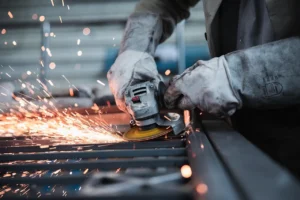
Plasma Spraying Equipment: Principles, Types, and Market Trends
Plasma spraying equipment uses an ionized gas jet at temperatures exceeding 10,000°C to melt and propel virtually any material onto substrates, producing high-performance coatings for aerospace, automotive, medical, and industrial applications.
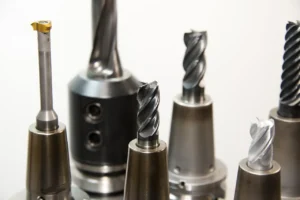
Machine Parts: Repair, Reconditioning, and Protection Through Thermal Spray
Thermal spray technology provides a cost-effective solution for repairing, reconditioning, and protecting machine parts, restoring worn components to original dimensions and extending service life across industrial applications.
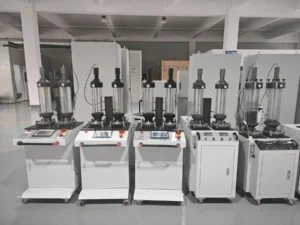
Coating Materials for Thermal Spray: Types, Properties, and Applications
Thermal spray coating materials—including metals, ceramics, cermets, and composites—provide wear resistance, corrosion protection, and thermal insulation across aerospace, energy, and industrial applications.
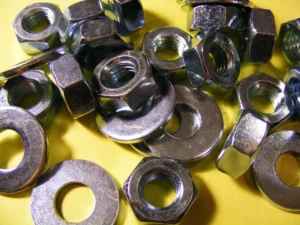
Arc Spraying Equipment: Principles, Types, and Market Trends
Arc spraying equipment uses an electric arc between two consumable wires to melt and propel metallic coatings, offering a cost-effective, high-deposition alternative for corrosion protection and surface repair across industrial applications.

Ancillary Equipment for Thermal Spray Systems
Ancillary equipment for thermal spray systems includes powder feeders, cooling units, and motion controls, ensuring coating quality, operational safety, and regulatory compliance in industrial applications.

HVOF Spraying Equipment: Principles, Types, and Market Trends
HVOF spraying equipment uses supersonic oxygen-fuel flames to create dense, wear-resistant coatings, serving as an eco-friendly alternative to chrome plating across aerospace, energy, and automotive industries.
